

Understanding TMJ: Symptoms, Treatments, and How to Find Relief
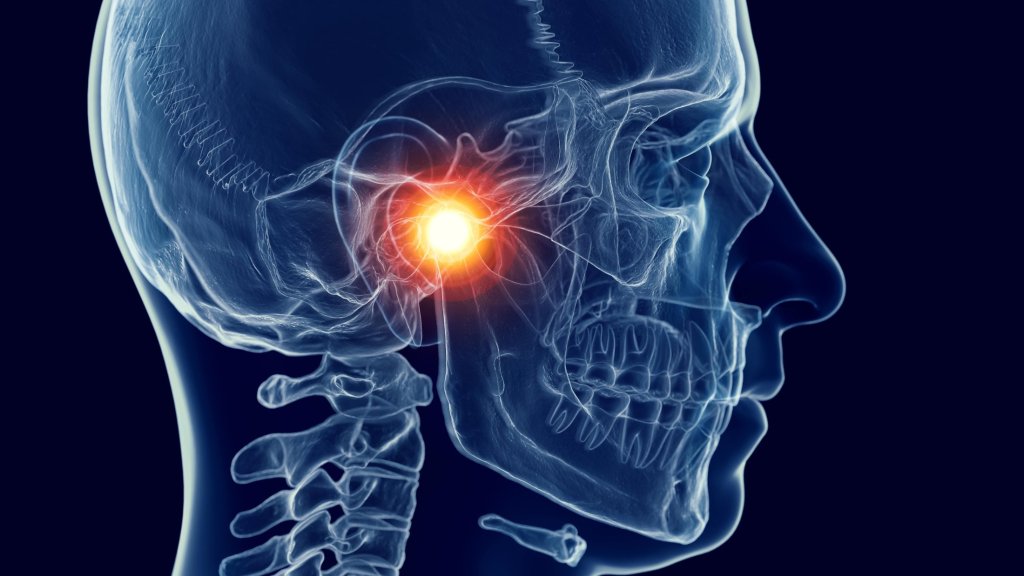
TMJ is a term many people use to refer to TMJ Disorder, a condition linked to problems with the temporomandibular joint (TMJ) that connects the skull and the jawbone. This joint is the most complex and hard-working one in the body, used for chewing, talking, yawning, and facial expressions. With a properly functioning TMJ, you can easily open and close your mouth, move the jaw back and forth, and from side to side. When this joint doesn’t work properly, TMJ Disorder is the result.
Symptoms of TMJ Disorder
Inflammation of the temporomandibular joint leads to a wide range of symptoms that cause pain, movement limitations, and joint damage. These symptoms may include:
- Jaw pain or stiffness, especially when waking
- Clenching or grinding your teeth (this can be a cause as well as a symptom of TMJ)
- Difficulty chewing or pain when chewing
- Difficulty opening or closing your mouth
- Catching, popping, or clicking of the jaw
- A misaligned bite
- Difficulty tearing or biting food with your front teeth
- Persistent jaw or neck pain
- Painful back teeth not caused by other dental issues
- Chronic headaches or migraines
- Chronic facial pain, especially around the cheeks or eyes
- Chronic earaches or a feeling of fullness in the ears not caused by infection
- Loose or worn-down teeth, especially on one side
If any of the above symptoms last more than a few weeks, a consultation with your doctor or dentist can help determine whether TMJ Disorder is the cause.
Treatment Options
TMJ can be difficult to treat. Some individuals try several options before they find an effective treatment plan. At Alabama Surgical Arts, we work with our patients to determine the best approach to bring them relief.
Orthodontics or Splints
When the teeth don’t meet properly, opening and closing the mouth can aggravate the joint, leading to inflammation. Realigning the teeth through orthodontics or using a customized dental splint may correct the problem. Splints can also be custom-fitted to prevent teeth grinding or clenching at night.
Botox® Injections
We offer therapeutic Botox injections that temporarily relax specific jaw muscles to prevent clenching and tension in the temporomandibular joint. These injections can last 3-4 months, relieving pain and allowing for improved range of movement for many of our patients. Botox for TMJ is effective for many patients with moderate to severe TMJ.
Arthrocentesis
This minimally invasive procedure drains excess fluid buildup from around the affected joint. A small needle is inserted into the area, removing the fluid and reducing or eliminating inflammation.
Physical Therapy
For mild to moderate TMJ Disorder, a physical therapist can minimize pain and improve the range of motion using exercises to strengthen and stretch the jaw muscles. A physical therapist may also use heat, ice, or ultrasound therapy to relieve pain.
Surgery
We consider surgery the last resort for TMJ Disorder and recommend it only when all other options have failed. While the surgeons at Alabama Surgical Arts are experienced with jaw (orthognathic) surgery to treat TMJ Disorder, it is a complex procedure requiring repositioning or replacing parts of the joint and requires a lengthy recovery time. Following surgery, patients must undergo weeks or months of physical therapy. However, the results can last a lifetime.
Finding Relief from TMJ Pain
Finding lasting relief from TMJ requires an appointment with your doctor or one of our TMJ specialists at Alabama Surgical Arts. However, you can find temporary relief of your symptoms in the meantime by:
- Applying warm, moist compresses to the side of the face for 15-20 minutes at a time
- If warm compresses don’t work, try an ice pack for the same length of time
- Gently massaging the joint
- Stretching the joint by slowly opening and closing the mouth repeatedly
- Taking Ibuprofen or Acetaminophen to reduce the inflammation
- Avoiding chewing gum or taffy that requires lots of chewing
- Sleeping on your back, if possible, to avoid pushing your jaw out of alignment
While the above tips temporarily relieve symptoms, they are not meant to be long-term solutions. If TMJ Disorder is interfering with your daily life, a consultation with one of our specialists at Alabama Surgical Arts will help you determine a more effective course of action. Call us today at Alabama Surgical Arts Office Phone Number 334-271-2002 for an appointment.
Choose Excellence and Expertise
Alabama Surgical Arts offers the latest medical procedures in oral surgery, facial cosmetic surgery, and medical spa treatments. Contact us today to learn more!
Comments are closed.